
Emotional Support Animals vs. Psychiatric Service Dogs
Understand the key differences between emotional support animals (ESAs) and psychiatric service dogs (PSDs), so you can make the best choice for your needs.
- Clear, easy-to-understand guidance
- Support for your mental and emotional well-being

What is an Emotional Support Animal?
An emotional support animal (ESA) helps alleviate symptoms of a mental or emotional disorder, either on its own or as part of a treatment plan. ESAs can be any domesticated animal, from common pets like dogs and cats to more unique animals like snakes or miniature horses. They offer comfort without requiring any special training. While ESAs can't accompany you in public, they are legally protected to live with you at home without extra pet fees or deposits.
Get an ESA Letter

What is a Psychiatric Service Dog?
Like ESAs, psychiatric service dogs (PSDs) help manage mental health disabilities, but they are specially trained to perform tasks related to the disability, such as deep pressure therapy (DPT) during a panic attack. PSDs must meet specific training standards, which grants them more legal rights than ESAs. They are allowed in public places, on planes, and in restaurants, making them ideal for individuals who need their animal's support everywhere they go.
Get Psychiatric Service Dog TrainingESA vs. PSD: What's the Difference?
A quick comparison to help you understand which option may be right for you.
| Feature | Emotional Support Animal (ESA) | Psychiatric Service Dog (PSD) |
|---|---|---|
| Primary Role | Provides comfort and emotional support through companionship. | Performs specific, task-trained support for psychiatric conditions. |
| Training | Not required to have specific training. | Must be individually trained to perform specific tasks. |
| Housing Protections | Typically covered under the Fair Housing Act (with valid letter). | Covered under the Fair Housing Act (and other laws). |
| Public Access | Generally not allowed in most public places. | Allowed in most public places under the ADA. |
| Documentation | Requires an ESA letter from a licensed mental health professional. | May require documentation; main requirement is task training. |
How They Support Different Needs
Both ESAs and PSDs can play important roles in mental and emotional well-being, but they serve different purposes. Understanding your needs can help you choose the right option.

Emotional Support Animals Provide Comfort
ESAs offer companionship, reduce feelings of anxiety and stress, and provide a calming presence at home.
- Emotional comfort and stability
- Helps with anxiety and stress
- No specialized training required
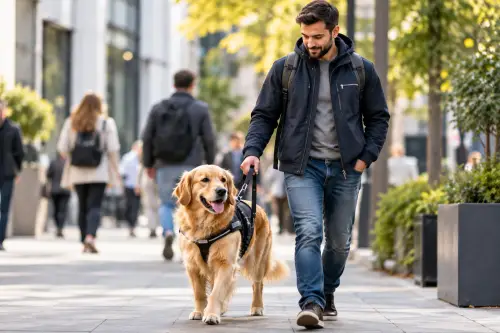
Psychiatric Service Dogs Provide Task Support
PSDs are trained to perform specific tasks that help individuals manage psychiatric or mental health conditions.
- Task-trained for specific needs
- Greater independence
- Access to most public places
Find the Right Path for You and Your Pet

Quick assessment
Answer a few questions to help us understand your situation.
Meet with a licensed professional
Connect with a licensed mental health professional for an evaluation.


Receive your letter
If approved, receive your ESA letter and next steps.

Questions about ESA letters?
Get clear information about the ESA evaluation process and how it works with your state's guidelines.
Learn About ESA Evaluations